Impact starts with a part-level conversation.
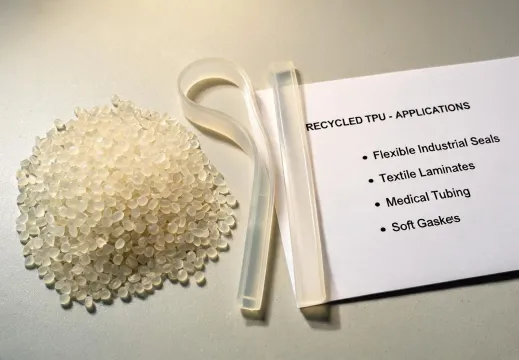
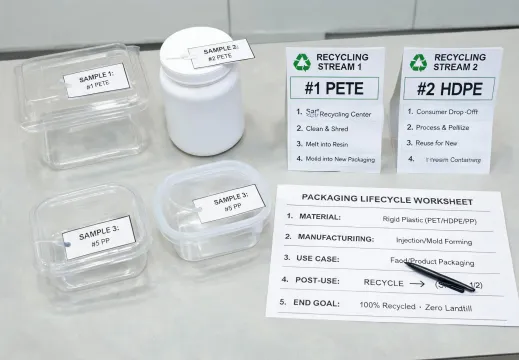
A sustainability target can sound simple from a brand perspective: increase recycled content, choose a bio-based input, lower carbon footprint or design a product that can be recovered later. In polymer projects, those goals become real only when they are translated into the part's functional requirements. A high-clarity cover may have less tolerance for color variation than a dark molded housing. A flexible TPU component may need hydrolysis resistance, abrasion performance and skin-contact review before recycled-content language is useful. A packaging part may need sorting, label compatibility and regional recovery infrastructure considered together.
Covestro's friendly-advisor approach keeps sustainability from becoming either a vague slogan or a late-stage obstacle. The conversation begins by separating the desired claim from the evidence needed to support it. Teams can then decide whether the project is ready for recycled-content exploration, whether a mass-balance concept requires a specific chain-of-custody discussion, or whether the first responsible step is simply designing a product that uses less material while maintaining service performance.
Responsible material choices become stronger when the team can explain the tradeoff, the documentation path and the remaining uncertainty in plain language.